Esperienze di visualità nei processi di rigenerazione urbana tra memoria, partecipazione e immaginazione
DOI:
https://doi.org/10.15168/xy.v8i14.3238Parole chiave:
immagini, prodotti visuali, spazi liminaliAbstract
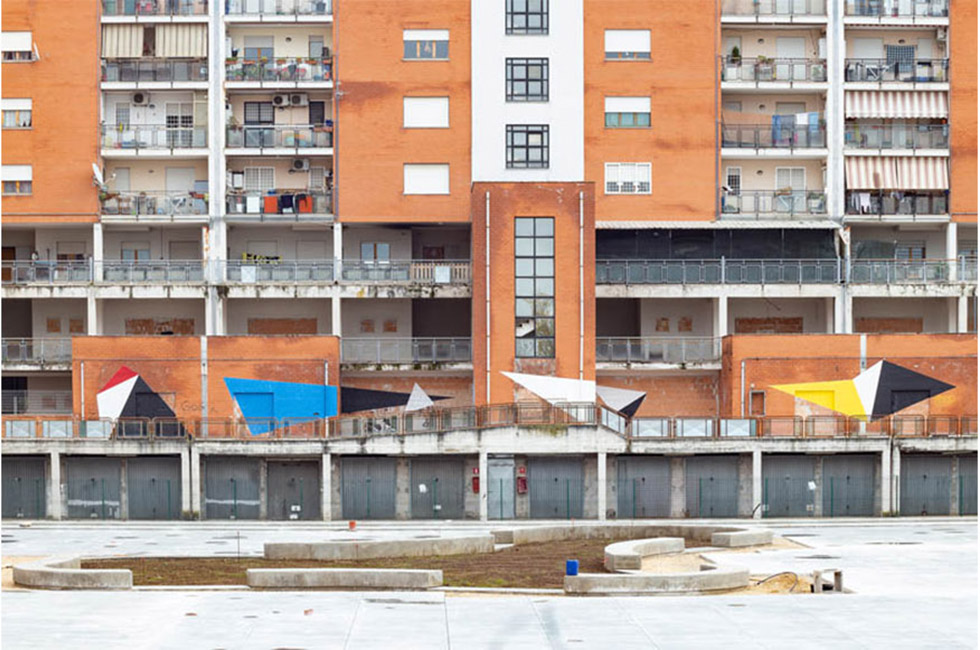
Il saggio intende esplorare il ruolo dell’immagine come strumento di riflessione critica e di partecipazione attiva delle comunità nelle pratiche di rigenerazione urbana. A tale scopo sono state individuate tre iniziative progettuali – 10 Porte sul Futuro, Luoghi Dismessi e Prossima Apertura, realizzate nell’area metropolitana di Roma e nel suo immediato hinterland –, accomunate dalla medesima finalità: la riappropriazione culturale e identitaria da parte delle collettività degli spazi in cui vanno ad intervenire in modo da risignificarli come luoghi. Gli spazi in cui i progetti insistono non presentano caratteristiche fisiche o topografiche omogenee, ma sono tutti manifestazione di una condizione di marginalità dell’abitare contemporaneo e, di conseguenza, di esclusione o precarietà per coloro che a vario titolo e anche per frammenti di tempo li “abitano”. Comune ai tre progetti è invece l’approccio: alle installazioni visive e alle opere iconiche è assegnato il ruolo di stimolare nuove interpretazioni e proporre narrazioni alternative di tali spazi affinché questi vengano riletti dalle collettività come luoghi delle possibilità e non come spazi residuali. Un approccio che, attraverso processi di co-progettazione partecipata, favorisce il dialogo tra lo spazio edificato e i suoi abitanti, per costruire consapevolezza e promuovere il ristabilimento delle indispensabili relazioni tra città e cittadinanza. In tale contesto il saggio mette in evidenza come i differenti caratteri dei prodotti visuali e delle dinamiche di interazione con la cittadinanza contribuiscano alla ridefinizione di tali spazi liminali, trasformandoli in risorse per la comunità.
##submission.downloads##
Pubblicato
Come citare
Fascicolo
Sezione
Licenza
Copyright (c) 2025 Elena Ippoliti, Carlo Settimio Battisti, Nicola Brucoli, Flavia Camagni

Questo lavoro è fornito con la licenza Creative Commons Attribuzione - Non commerciale - Condividi allo stesso modo 4.0 Internazionale.