Rovine commerciali. Analisi rappresentativa delle nuove marginalità dell’abbandono per il loro riuso adattivo
DOI:
https://doi.org/10.15168/xy.v8i14.3213Parole chiave:
retail apocalypse, rilievo dinamico, riuso resilienteAbstract
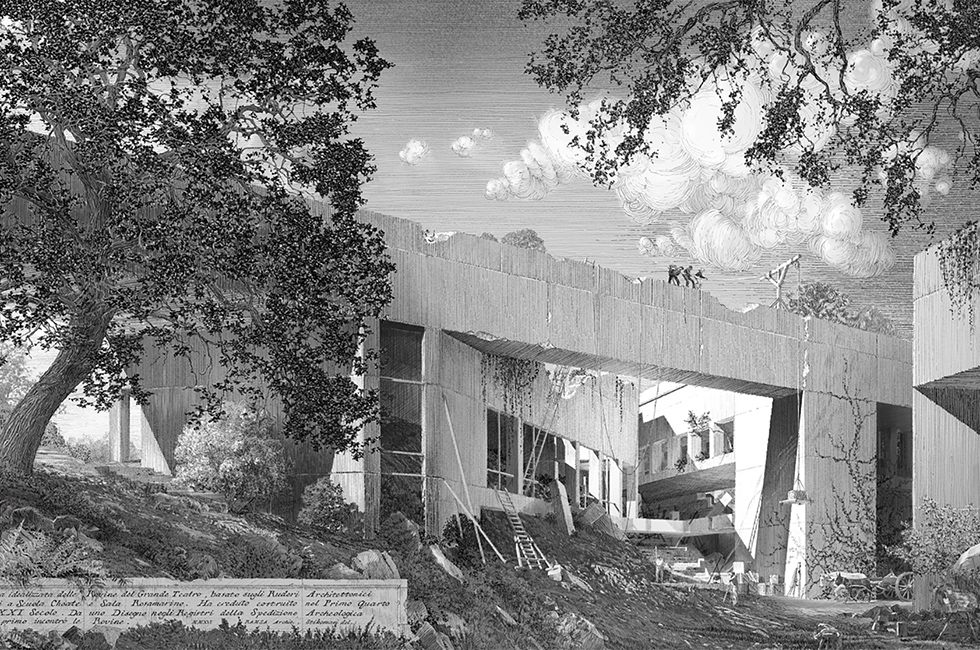
L’evoluzione della città contemporanea, dominata dalle logiche neoliberiste del consumismo, ha portato nell’ultimo secolo ad un urbanesimo centripeto, connotato da edilizia commerciale. Opere disseminate nelle periferie, geneticamente disattente all’estetica, nate per assecondare le logiche del mercato per poi perdere la loro funzione vitale ed essere abbandonate dopo qualche decennio, vittime delle nuove logiche del commercio digitale. Nascono così le “rovine commerciali”, generate come un’ulteriore semplificazione della ratio vitruviana, senza bellezza e private anche dell’utilità. La contraddizione insita nell’architettura consumistica riflette, in forma iperbolica, le dinamiche evolutive della città contemporanea, rendendo cruciale lo studio della rappresentazione per la sua capacità autoptica di rivelare trasformazioni e attivare processi rigenerativi attraverso il progetto. Oltre ad essere analizzate come prodotti, veicolano un linguaggio in continua evoluzione rispetto al contesto, infatti, seppur geneticamente uniformate dagli stilemi globalizzati del marketing e da strutture standardizzate, queste “macchine per vendere” risultano comunque dipendenti dall’ambiente e dalla cultura in cui si innestano. Risulta pertanto rilevante definire metodologie e processi per comprenderne i fenomeni rilevabili, individuando la struttura e l’immagine per indagarne le relazioni e i dinamismi, i meccanismi di adattamento e sopravvivenza dei segni. Le analisi rappresentative entrano nella loro evoluzione semantica per proporre processi di riuso adattivo volto alla rigenerazione sostenibile. Le rovine commerciali sono individuate paradigmaticamente in Austria, dove il tessuto edilizio, caratterizzato da un linguaggio architettonico tipico, è studiato nelle stratificazioni linguistiche, rivelando ricorrenze tipologiche che dissolvono la tradizionale frattura tra città storica e periferia, che nella sua marginalità si scopre ancora come potenziale incubatore di sviluppo.
##submission.downloads##
Pubblicato
Come citare
Fascicolo
Sezione
Licenza
Copyright (c) 2025 Laura Suvieri, Fabio Bianconi, Marco Filippucci, Andreas Lechner

Questo lavoro è fornito con la licenza Creative Commons Attribuzione - Non commerciale - Condividi allo stesso modo 4.0 Internazionale.