Il rapporto uomo-spazio nel Barrio Mugica (Villa 31) di Buenos Aires: la necessità dell’abitare umano
DOI:
https://doi.org/10.15168/xy.v8i14.3245Parole chiave:
metropoli, spazio fisico, spazio mentaleAbstract
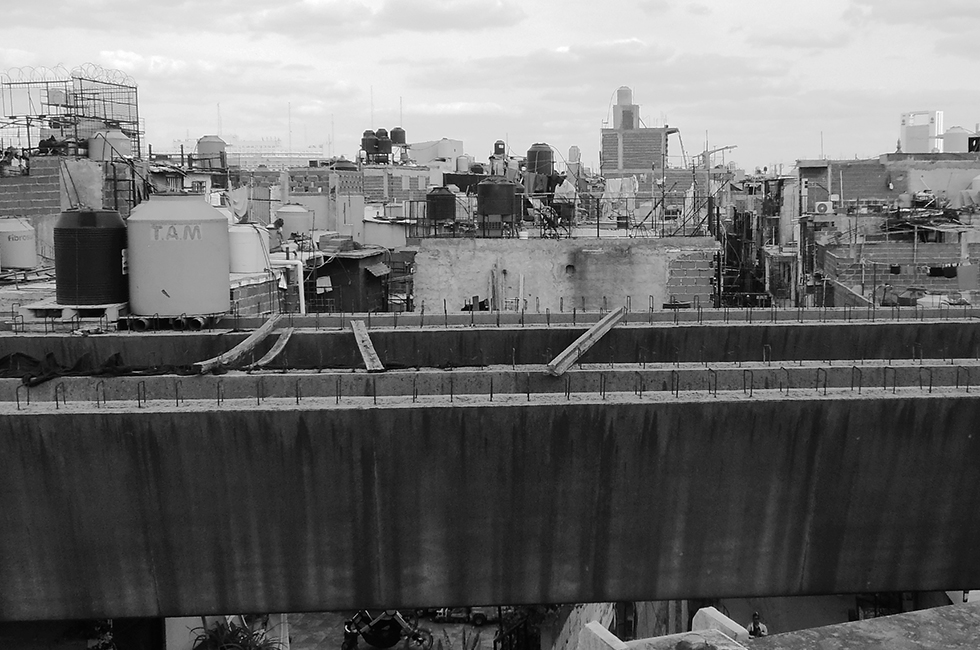
Questo studio riguarda il rapporto tra uomo e spazio nel Barrio Padre Carlos Mugica, già Villa 31 di Buenos Aires, riconducibile alla necessità umana di abitare il mondo. Il rapporto tra uomo e spazio è la radice di tutte le Villas di Buenos Aires e argentine. Un rapporto che si basa sulla continuità uomo-spazio, sulla necessità dell’uomo di vivere e abitare lo spazio e quindi sulla sua connaturata attitudine a farsi spazio nello spazio per abitare il mondo. Il Barrio Mugica è uno spazio particolare, unico. Un organismo vivente, spaziale e umano, spontaneo e resiliente. Un luogo complesso in sé e al tempo stesso un luogo che contiene ed esprime la complessità della metropoli contemporanea. Nel Barrio Mugica la necessità dell’abitare umano esprime un particolare rapporto e una visibile integrazione tra uomo e spazio. Nel bisogno di occupare lo spazio – non soltanto per abitare il mondo ma anche per occupare un posto nel mondo e per affermarsi come umani viventi nel mondo – persone e spazi si integrano costruendo relazioni umane e spaziali, mentre il singolo individuo costruisce una duplice spazialità, fisica e mentale, materializzando attraverso un’autocostruzione architettonica il suo intorno fisico e il suo interno mentale. Spazialmente il Barrio Mugica non ha nulla a che vedere con gli spazi periferici delle grandi metropoli o con quelli ai margini dei centri urbani. La Villa 31 è uno spazio che si è sviluppato dentro la città, non fuori o ai margini di questa. Tuttavia può considerarsi periferico e marginale quando ci si riferisce a quelle periferie e a quelle marginalità sociali che Papa Francesco individua come periferie “esistenziali”, dove prevale “l’educazione alla sopravvivenza” (Bergoglio 2015). L’obiettivo di questo studio è far emergere storicamente e nell’attualità – anche attraverso un reportage fotografico dell’autore – la necessità dell’abitare umano espressa nella Villa 31 e il particolare rapporto uomo-spazio su cui la stessa Villa si fonda. Comprendere le necessità umane di vivere e abitare lo spazio e di occupare un posto nel mondo può essere utile al futuro delle Villas e al futuro delle persone che le abitano. Inoltre può essere anche utile, in futuro, a far ampliare e ripensare le visioni e le posizioni sulle Villas alle persone che le osservano.
##submission.downloads##
Pubblicato
Come citare
Fascicolo
Sezione
Licenza
Copyright (c) 2025 Rosario Marrocco

Questo lavoro è fornito con la licenza Creative Commons Attribuzione - Non commerciale - Condividi allo stesso modo 4.0 Internazionale.